

5 Motivation Tips for Exercise and Fitness
 Hi, I’m Jordan and once again I’m here to share some exercise tips with you. Many people who have done exercises under my guidance have said that they find it difficult to be regular at the gym. If you start an exercise program, there is a strong need to do the workouts regularly. Just making excuses or being too busy with other things of life will spoil all your fitness plans. Most people lack the motivation to stick to the exercise plan. It makes them leave the exercises in between and go back to the starting point being inactive and sedentary. Keep motivating yourself and visualizing the slim figure and great body that you want to have. Today, I will explain some ways to increase the motivation to stick to workouts. The top 5 motivation tips for exercise and fitness.
Reward Yourself
 Rewarding is a very good way to increase the motivation to do exercises. The idea of improving the health and becoming slim may not be very appealing to the very person. Think that after doing exercises at the gym daily, you will get a reward like a smoothie or a healthy food that you love. You can also watch your favorite movie or television show as a reward. Being attracted by a treat, you are more likely to enjoy and stick to workouts in the hope of a reward.
Choose Short Term Goals
Aim at short term goals instead of waiting too long for getting that perfect figure, losing weight or building muscles. Doing exercises with the results taking a long time to fructify will cause loss of interest as you feel discouraged as the time passes. Instead of setting a weekly or monthly goal, set daily goals like exercising for twenty minutes outdoors or on the treadmill. Don’t make the exercise plan that is made on the long-term basis.
…
 This is perhaps the most popular method of hair removal, as it is a quick and effective way to remove large areas of hair from the body. Waxing removes the entire hair follicle at the root, making for longer-lasting results than shaving. Typically, the hair will not start growing back until several weeks after waxing.
 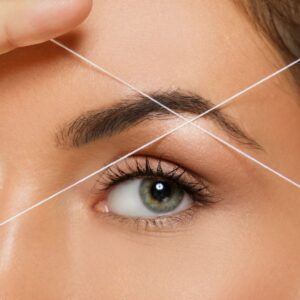 This ancient technique originated in India and is still widely used across Asia today. A thin thread is pulled through unwanted hair to pull it out from the root.
  A more permanent option, laser hair removal uses short pulses of light energy to destroy unwanted hairs at their roots. The procedure requires multiple sessions and can be quite costly, but it can provide long-term results and can be used for larger areas of the body.
  This is the most common and easiest form of hair removal. It removes the visible portion of the hair but does not eliminate it from the root.
  These creams contain chemicals that break down the protein structure of the hair, allowing it to be wiped away from the skin’s surface.
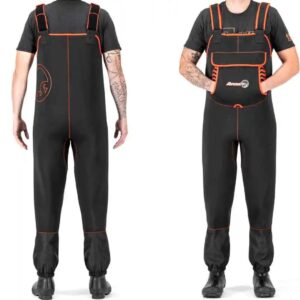 Neoprene waders are highly regarded for their durability. Made from synthetic rubber, neoprene waders offer excellent resistance to punctures and abrasions. They are particularly suitable for cold weather conditions due to their insulating properties. Neoprene waders are also known for their flexibility, which enhances comfort during long hours of wear. These waders can handle rough terrain, rocky riverbeds, and brushy environments without compromising their integrity.
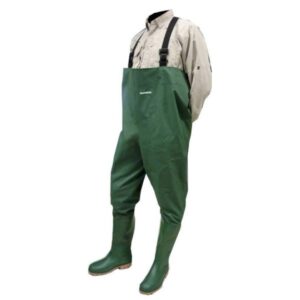 Rubber and PVC waders have been a staple in the fishing industry for decades, primarily due to their durability. Rubber waders are known for their exceptional resistance to sharp objects and potential punctures. PVC waders, on the other hand, are lighter and more affordable than rubber waders. While these materials may not offer the same breathability as neoprene or breathable waders, they excel in situations where extreme durability is required, such as when working in heavily thorny or abrasive environments.
 Swimming Pools
 River Rafting
 Are bean bag chairs comfortable for gaming?
 Bean bag chairs can be difficult to get out of due to their soft nature, which may not be ideal for some gamers who need to switch between positions quickly. Additionally, they don’t provide the same level of back or neck support as other gaming chairs. Finally, bean bag chairs are not made from durable materials, so they may not last as long as other gaming chairs.